
Heating · Nationwide
Furnace repair
Most furnace no-heat calls are a dirty flame sensor, a failed hot surface igniter, a tripped limit or pressure switch, or a clogged filter. A tech reads the board's error code, tests each safety device, and checks for carbon monoxide before handing it back.
- Same-day appointments when available
- Licensed HVAC contractors
- Written price before any repair
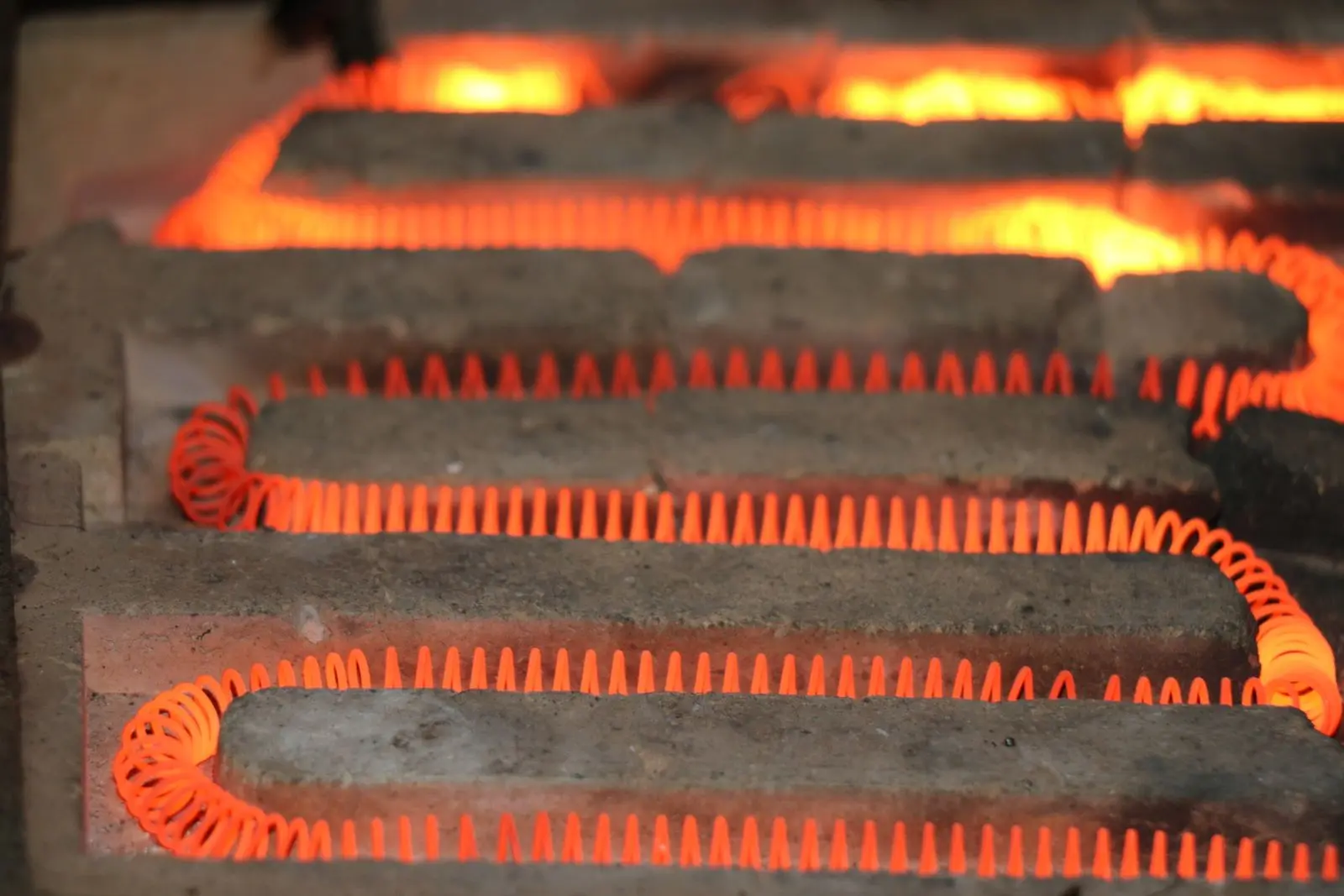
In mild-winter regions, furnaces may sit idle for eight months and then fail on the first cold night with a dirty flame sensor or dusty burners. In northern states, furnaces run hard from October to April and wear out inducer motors and igniters.
Never ignore a furnace that keeps locking out. Safety switches shut it down for a reason, such as a blocked flue, cracked heat exchanger or restricted airflow.
Furnace Repair at a glance
- Category
- Heating
- Service area
- Nationwide
- Typical visit
- Read the fault code → Test ignition and safeties → Combustion and CO check → Repair and run test
- Urgent help
- Yes. Call for the fastest connection.
- Equipment covered
- Hot surface igniters, Flame sensors, Inducer motors, Pressure switches, Gas valves, Control boards, Heat exchangers
Symptoms
Signs you need furnace repair
- Cold air from the vents in heat mode
- Burners light then shut off after a few seconds
- Blinking LED code on the control board
- Loud bang at ignition
- Yellow or lazy flame instead of blue
Process
How the visit works
- 1
Read the fault code
The board's LED pattern points to the failed component.
- 2
Test ignition and safeties
Igniter, flame sensor microamps, pressure switch, limit and rollout switches.
- 3
Combustion and CO check
Gas pressure, draft, and a CO test at the flue and room.
- 4
Repair and run test
Written price first, then a full heat cycle with temperature rise checked.
Cost
What affects the price
Every contractor sets their own prices. These are the things that move the number. Ask for a written price before work starts.
- Part replaced (sensor, igniter, inducer, board, gas valve)
- Furnace age and warranty
- Attic or closet location
- Heat exchanger problems
Before the tech arrives
What you can safely do
Safe to try
- Replace the filter
- Check the furnace switch is on
- Make sure the gas valve is open
- Check the condensate trap on high-efficiency units
Stop and call
- If you smell gas, leave and call your gas utility or 911 from outside
- Don't bypass safety switches
- Don't remove the burner panel
FAQ
Furnace Repair questions
Why does my furnace turn on then off right away?+
The most common reason is a dirty flame sensor, which can't prove the flame so the board shuts the gas off. Other causes are a weak pressure switch or a blocked vent.
Is a cracked heat exchanger dangerous?+
It can be, because it may let combustion gases mix with house air. A tech will usually shut the furnace off and red-tag it until it is repaired or replaced.
Furnace Repair city guides
Furnace Repair by state
Related
Related services
Guides
Need heating or cooling help now?
Call to be connected with a licensed HVAC contractor serving your ZIP code, or send a request online.