
Heating · Nationwide
Carbon monoxide and gas appliance safety
If a CO alarm sounds, get everyone outside and call 911 or the fire department. Afterward, a licensed HVAC tech should test the furnace's combustion, inspect the heat exchanger and flue, and confirm the appliance is safe before it runs again.
- Same-day appointments when available
- Licensed HVAC contractors
- Written price before any repair
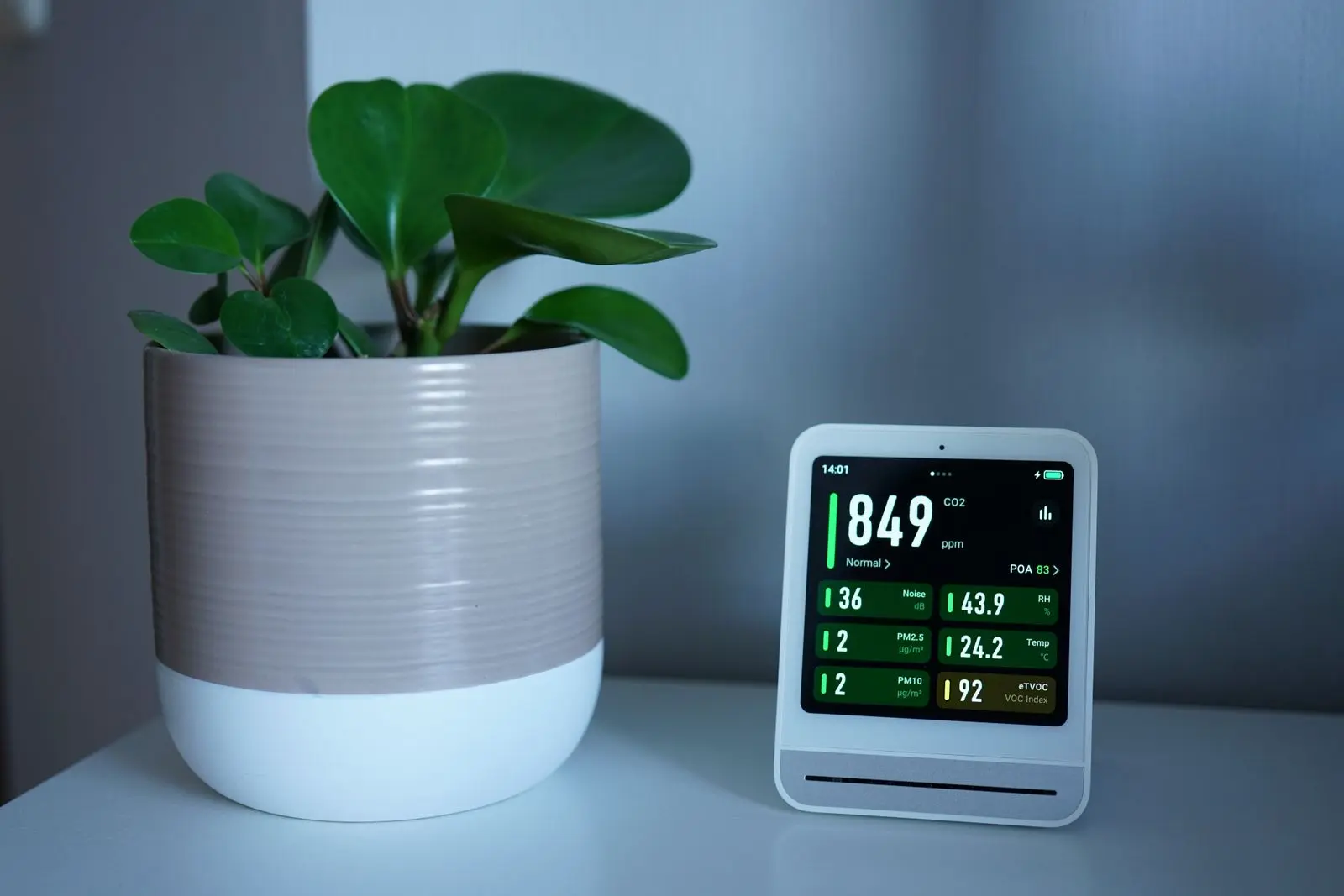
Carbon monoxide comes from incomplete combustion in gas furnaces, water heaters, boilers and fireplaces. Blocked flues, disconnected vent pipes, cracked heat exchangers and backdrafting are the usual causes.
Many states require CO alarms in homes with fuel-burning appliances or attached garages. Place one near each sleeping area and replace alarms at the end of their rated life.
Carbon Monoxide & Gas Safety at a glance
- Category
- Heating
- Service area
- Nationwide
- Typical visit
- Ventilate and verify → Combustion analysis → Inspect → Make safe
- Urgent help
- Yes. Call for the fastest connection.
Symptoms
Signs you need carbon monoxide & gas safety
- CO alarm sounding
- Headaches or nausea that ease outside the house
- Soot around the furnace or water heater
- Yellow, flickering burner flame
- Condensation on windows near gas appliances
Process
How the visit works
- 1
Ventilate and verify
Ambient CO readings throughout the home.
- 2
Combustion analysis
Flue gas CO, oxygen and draft measured at the appliance.
- 3
Inspect
Heat exchanger, flue connections, vent termination and combustion air.
- 4
Make safe
Repair, or shut off and tag the appliance until it is fixed.
Cost
What affects the price
Every contractor sets their own prices. These are the things that move the number. Ask for a written price before work starts.
- Number of gas appliances tested
- Camera inspection of the heat exchanger
- Vent repairs needed
Before the tech arrives
What you can safely do
Safe to try
- Test CO alarms monthly
- Keep vents and flues clear of storage
Stop and call
- Never stay inside with an active CO alarm
- Don't relight an appliance that was red-tagged
FAQ
Carbon Monoxide & Gas Safety questions
Who do I call first if my CO alarm goes off?+
Leave the home and call 911. The fire department can measure CO levels. Then have an HVAC contractor diagnose the source before using gas appliances again.
Carbon Monoxide & Gas Safety by state
Related
Related services
Guides
Need heating or cooling help now?
Call to be connected with a licensed HVAC contractor serving your ZIP code, or send a request online.