
Heating · Denver, CO
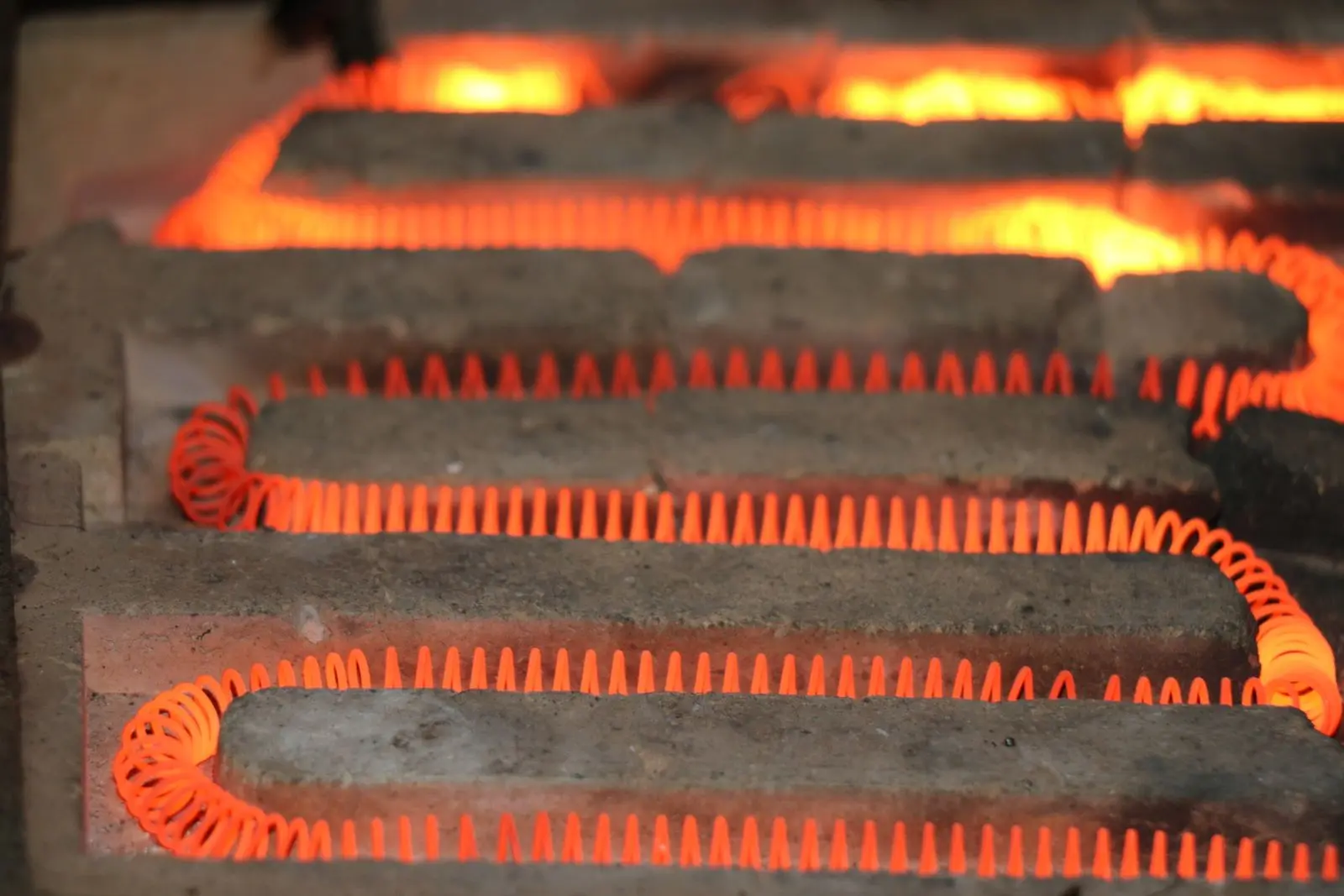
Furnace Repair in Denver
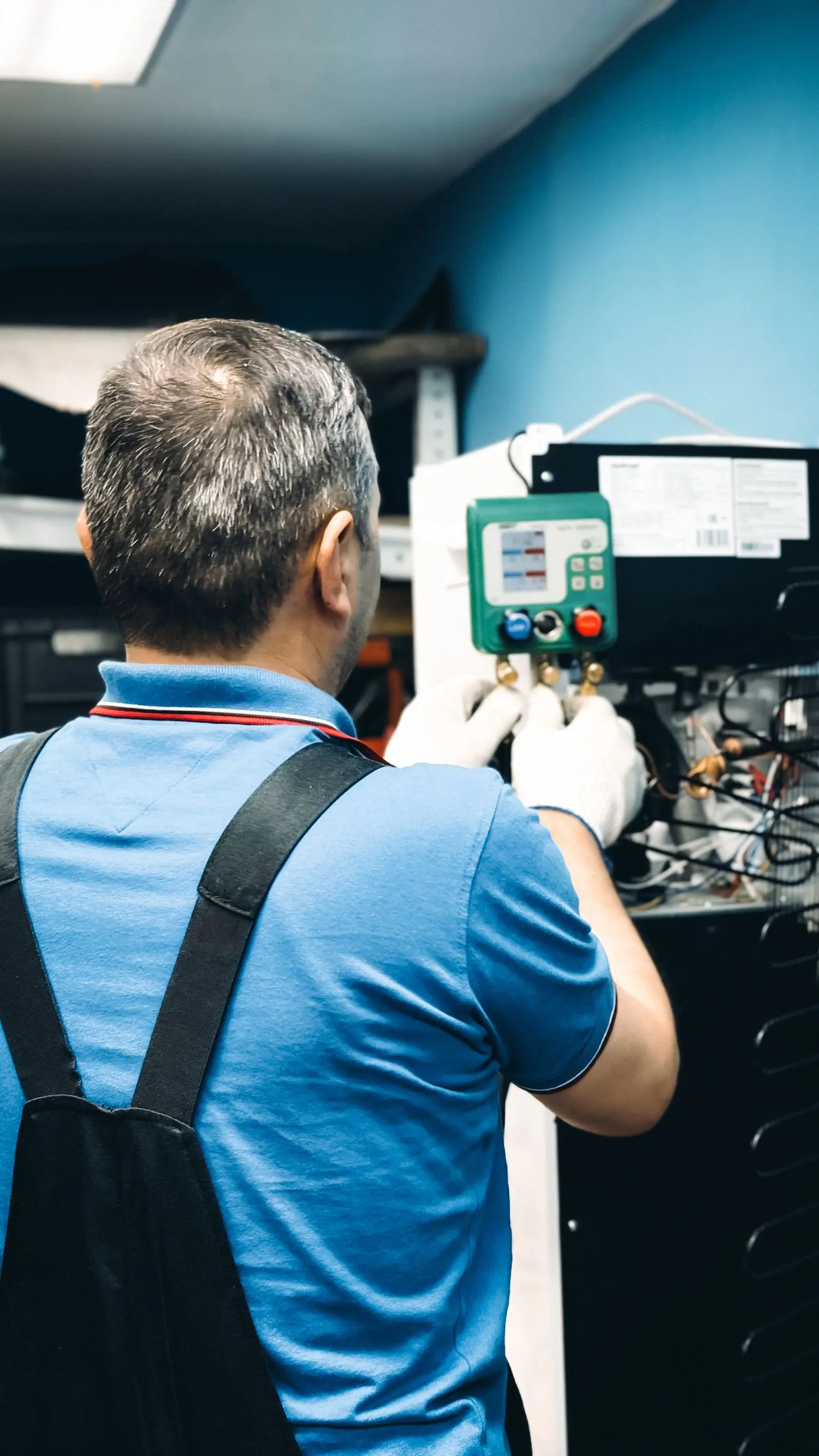
Most furnace no-heat calls are a dirty flame sensor, a failed hot surface igniter, a tripped limit or pressure switch, or a clogged filter. A tech reads the board's error code, tests each safety device, and checks for carbon monoxide before handing it back.
- Same-day appointments when available
- Licensed HVAC contractors
- Written price before any repair
Denver
Furnace Repair in Denver: what's different
Denver furnaces face cold snaps and rapid temperature swings, and altitude affects how they burn. Many repairs involve igniters, flame sensors, inducer motors and pressure switches, as well as combustion adjustments for elevation.
Older bungalows often have basement furnaces with original ductwork. Denver requires licensed contractors and permits for furnace replacement, and Xcel Energy has offered programs for efficient heating upgrades.
Ask the tech to verify gas pressure and combustion readings after any repair. At Denver's altitude, these readings confirm the furnace is burning safely and efficiently. If your furnace is over 15 years old, ask for a heat exchanger inspection as well.
Denver climate
Cold, dry winters with sudden temperature swings, hot summers, and frequent hail.
Symptoms
Signs you need furnace repair
- Cold air from the vents in heat mode
- Burners light then shut off after a few seconds
- Blinking LED code on the control board
Process
How the visit works
- 1
Read the fault code
- 2
Test ignition and safeties
- 3
Combustion and CO check
- 4
Repair and run test
Cost factors, safe DIY checks and equipment details are in the full furnace repair guide.
FAQ
Furnace Repair questions
Why does altitude matter for furnace repair in Denver?+
Furnaces must be adjusted for elevation to burn cleanly. Incorrect setup can cause poor performance or carbon monoxide.
Also available nearby
Related
Related services

Guides
Need heating or cooling help now?
Call to be connected with a licensed HVAC contractor serving your ZIP code, or send a request online.