
Air Conditioning · Nationwide
Air conditioner repair
Most AC failures come down to a few parts: a weak capacitor, a burned contactor, a clogged condensate drain, low refrigerant from a leak, or a failing fan motor. A licensed tech tests each one, shows you the reading, and gives a written price before replacing anything.
- Same-day appointments when available
- Licensed HVAC contractors
- Written price before any repair
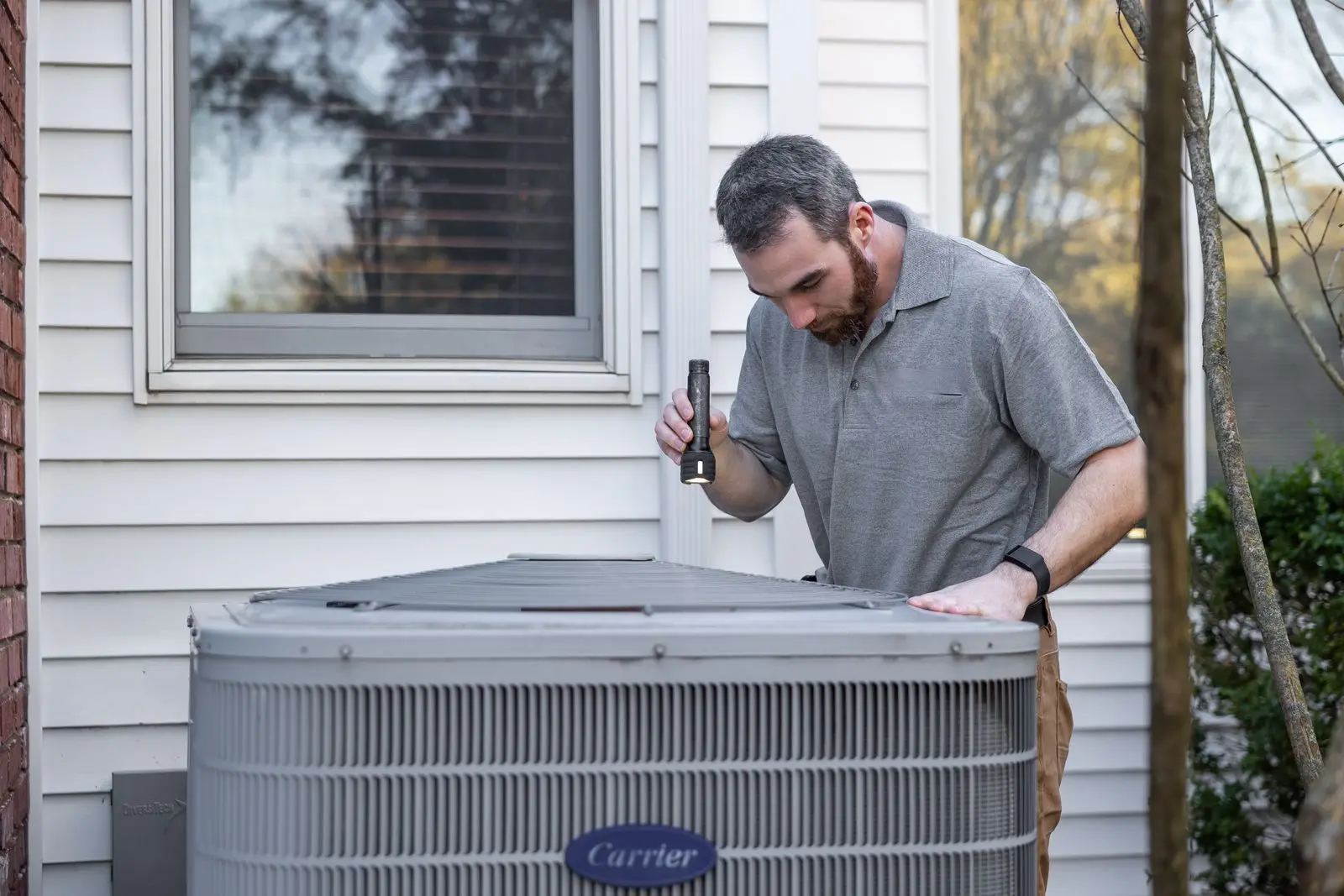
How hard an air conditioner works depends heavily on climate. In hot-dry regions like Phoenix and Las Vegas a system can run 3,000 hours a year; in humid Gulf and Southeast cities it fights moisture as much as heat; in northern states it may run only a few months. Parts wear out fastest where run times are longest.
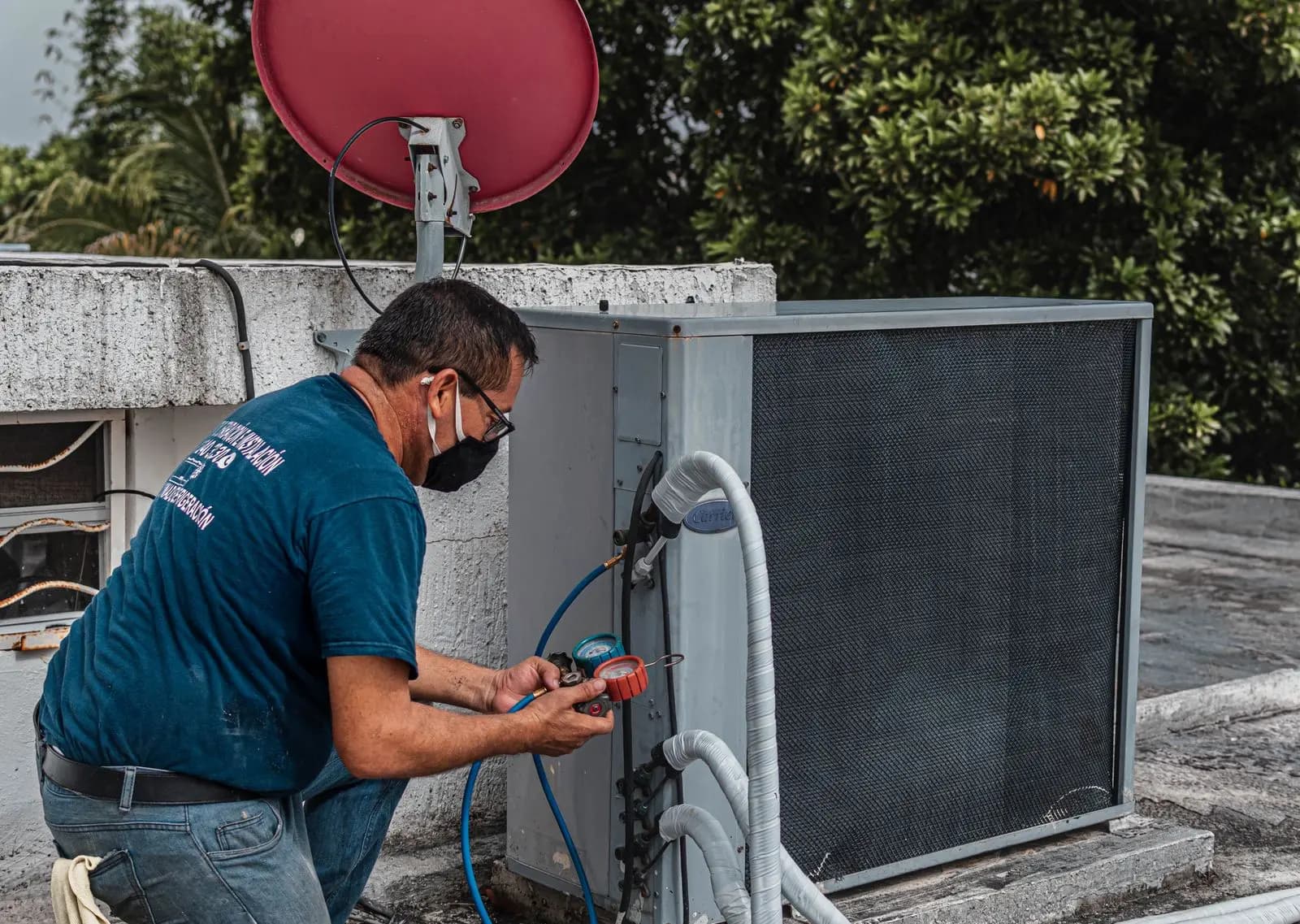
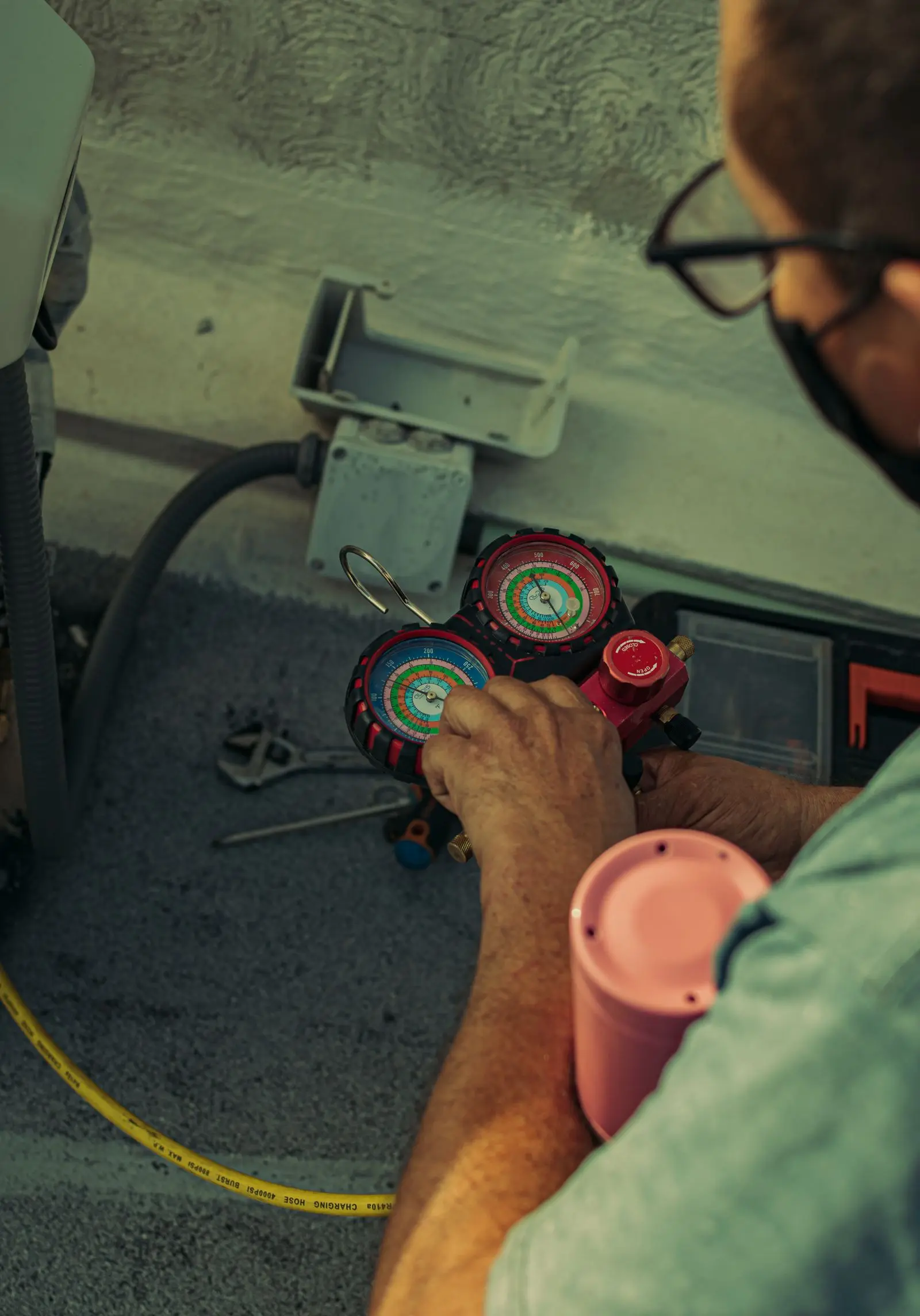
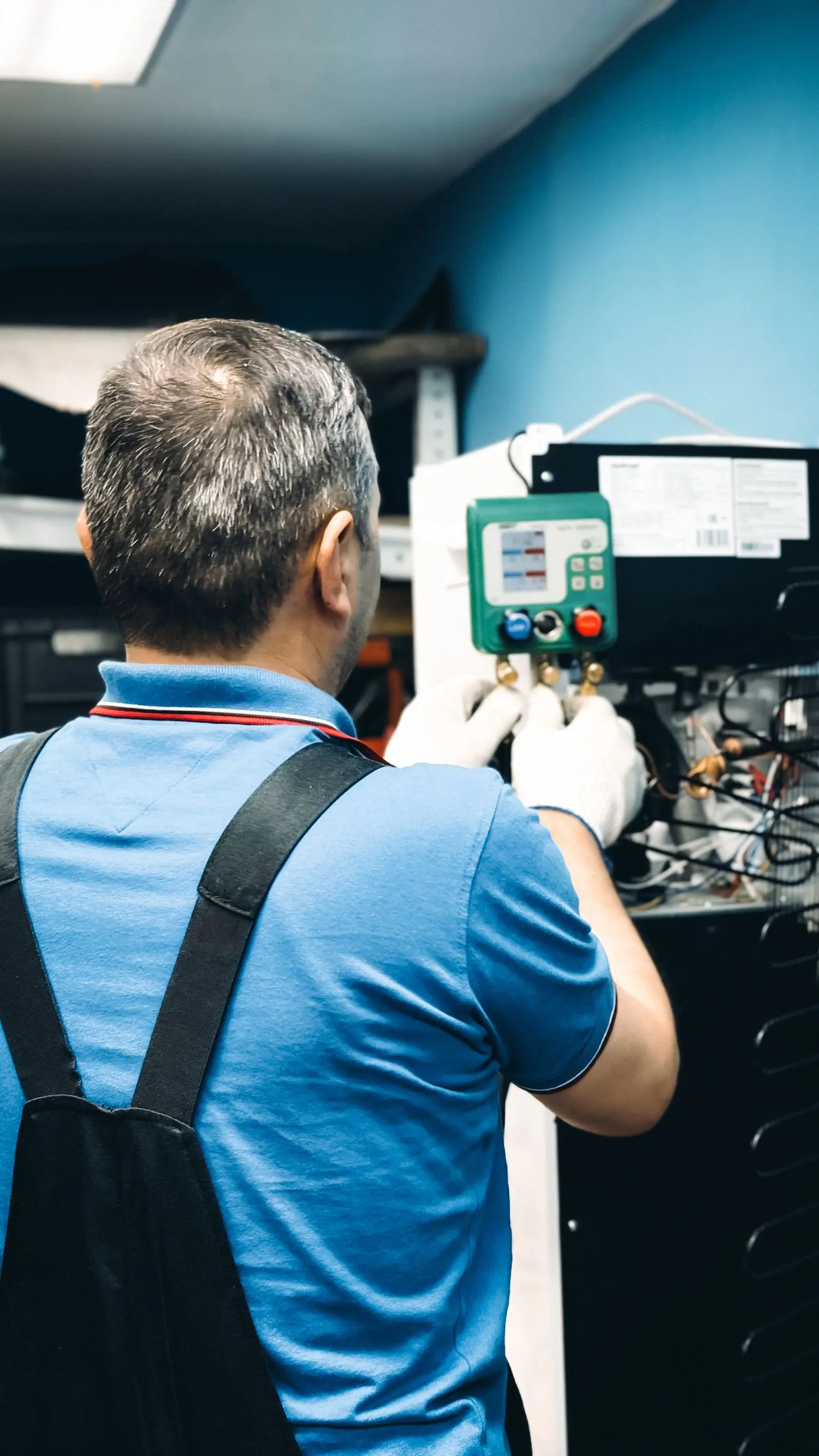
A good repair visit starts with measurements, not guesses: supply and return temperatures, refrigerant pressures, amp draw on the compressor and fan, and capacitor microfarads. That tells you whether a part has failed or the whole system is near the end.
AC Repair at a glance
- Category
- Air Conditioning
- Service area
- Nationwide
- Typical visit
- Check power and controls → Test electrical parts → Measure the refrigerant side → Written price, then repair
- Urgent help
- Yes. Call for the fastest connection.
- Equipment covered
- Capacitors, Contactors, Condenser fan motors, Blower motors, Compressors, TXV and metering devices, Float switches
Symptoms
Signs you need ac repair
- Air from the vents is barely cooler than the room
- The outdoor unit hums but the fan does not spin
- The system turns on and off every few minutes
- Ice on the refrigerant line or the indoor coil
- Water near the air handler or a tripped float switch
Process
How the visit works
- 1
Check power and controls
Breaker, disconnect, thermostat signal, float switch and low-voltage fuse.
- 2
Test electrical parts
Capacitor microfarads, contactor, motor amp draw against the nameplate.
- 3
Measure the refrigerant side
Pressures, superheat or subcooling, and temperature split across the coil.
- 4
Written price, then repair
You approve the repair before work. The tech re-tests cooling afterward.
Cost
What affects the price
Every contractor sets their own prices. These are the things that move the number. Ask for a written price before work starts.
- The failed part (a capacitor costs far less than a compressor)
- Refrigerant type: R-22 systems cost much more to recharge than R-410A or R-454B
- Access: attic air handlers in summer take longer to work on
- Warranty status of the parts on your system
- After-hours or weekend timing
Before the tech arrives
What you can safely do
Safe to try
- Replace a dirty filter
- Reset a tripped breaker once
- Check the thermostat is on Cool with fresh batteries
- Clear plants and debris 2 feet around the condenser
Stop and call
- Never touch the capacitor; it holds a charge after power is off
- Don't add refrigerant yourself or use store-bought recharge kits
- Stop resetting a breaker that trips again
FAQ
AC Repair questions
Should I repair or replace my AC?+
Repair is usually the right call if the system is under 10 years old and the repair costs less than a third of a new system. Past 12–15 years in Las Vegas heat, or with an R-22 leak, replacement often makes more sense.
Why does my AC run but not cool?+
The most common causes are a dirty filter or coil, a failed outdoor fan motor or capacitor, or low refrigerant from a leak. A tech can tell which with a pressure and temperature test.
Is it normal for my AC to run all day on the hottest days?+
Yes. On an extreme heat day a correctly sized system may run nearly nonstop and still hold the house about 20°F below outdoors. It's a problem if the house keeps getting warmer.
AC Repair city guides
AC Repair by state
Related
Related services
Guides
Need heating or cooling help now?
Call to be connected with a licensed HVAC contractor serving your ZIP code, or send a request online.